Foggy Start
Seabird Camp on St. George had an unplanned start. The plane carrying Ann and Peter circled the island a few times, but it was too foggy to [...]

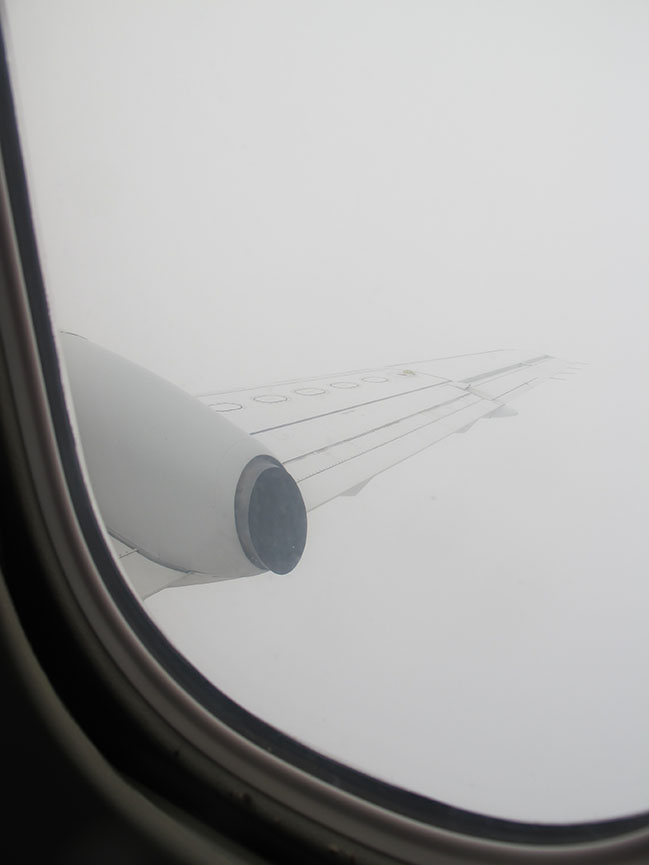
Seabird Camp on St. George had an unplanned start. The plane carrying Ann and Peter circled the island a few times, but it was too foggy to [...]
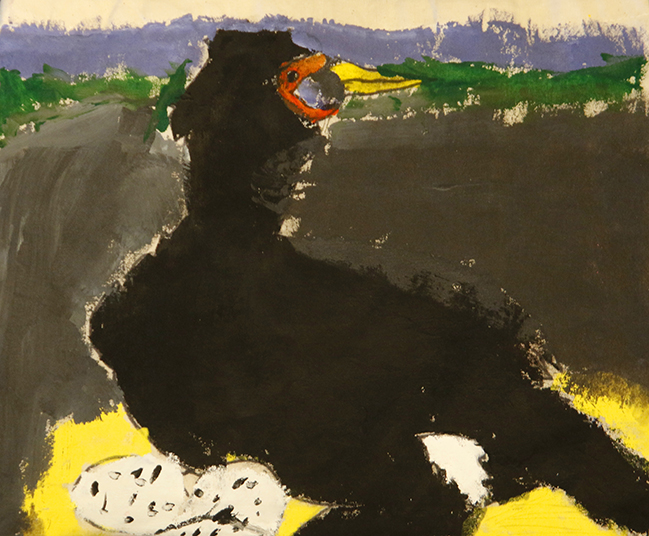
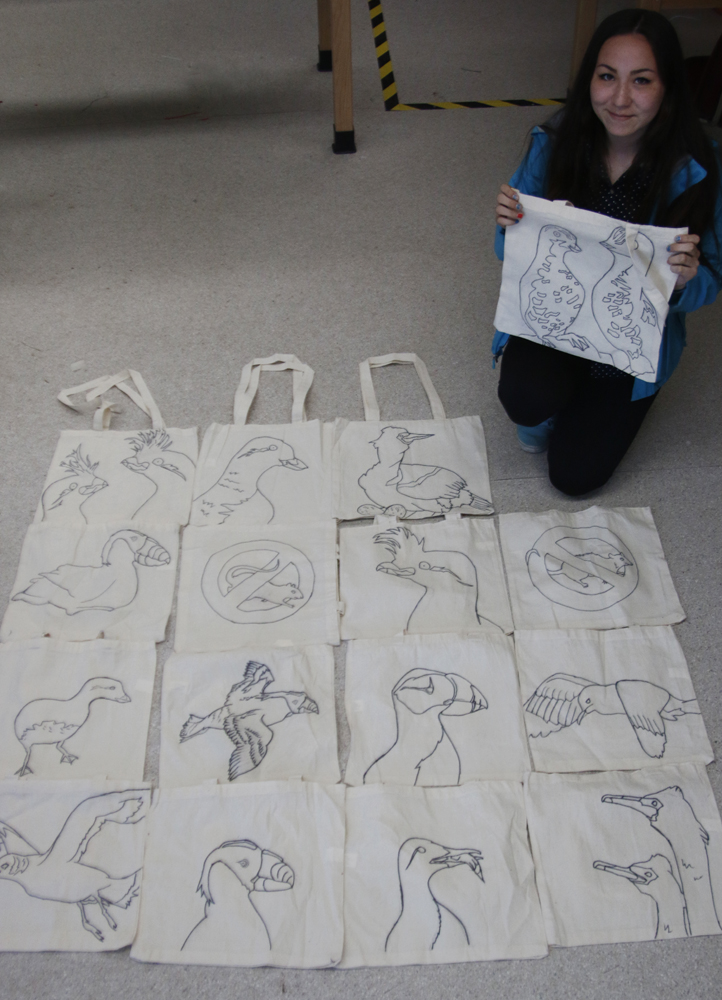
Kids participating in the recent Seabird Camp on St. Paul Island have created some beautiful portraits of the local seabirds to share with the students on the [...]

Where are the Commander Islands? The Commander Islands are located at the end of the Aleutian Islands, and about 110 miles east of the Kamchatka Peninsula. Funded [...]
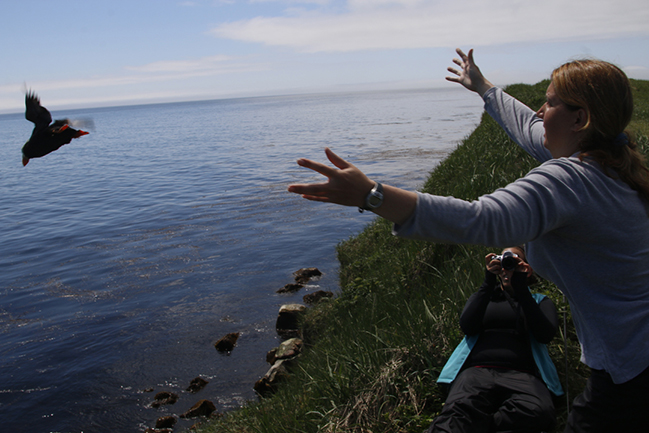
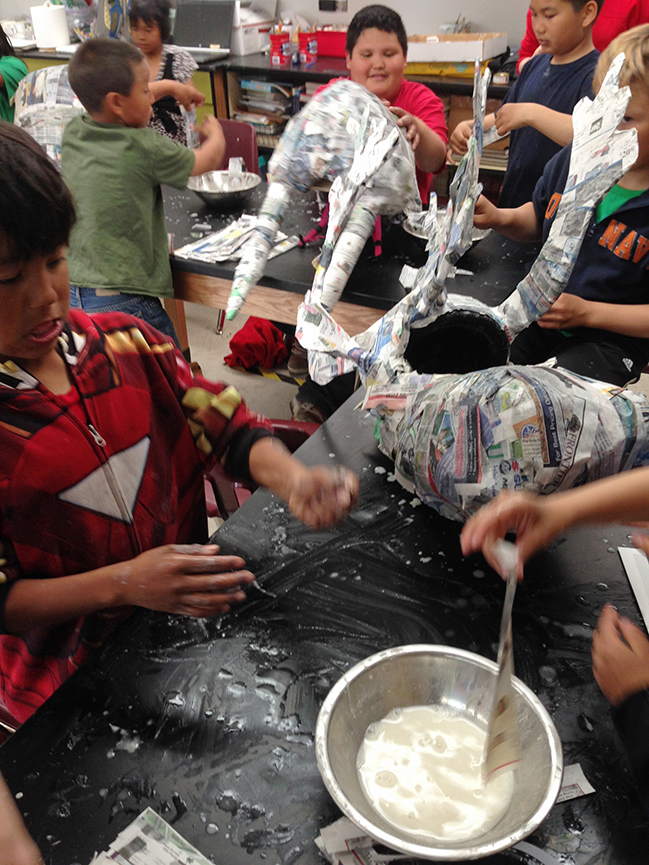
The wrap-up for this year's camp started with finding a place for all of our big animal masks. We can thank Mr. Mac at the St. Paul [...]
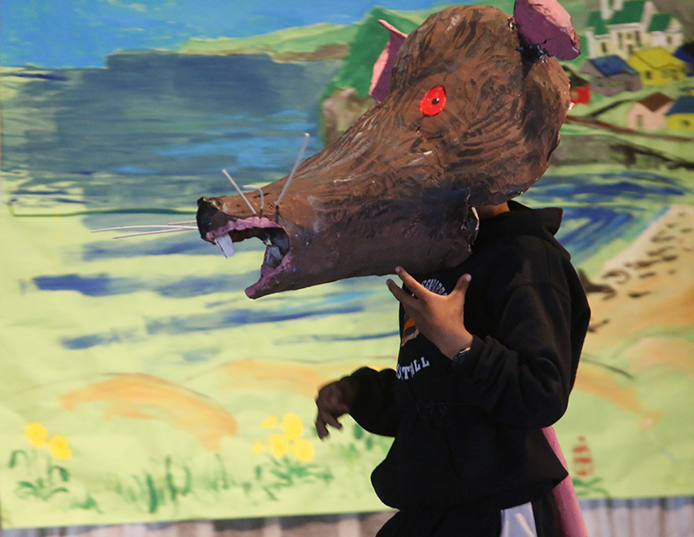
The day of the plays! Even with the extensive prep work we had done, everything came down to the wire Saturday. Masks, props and the background mural [...]
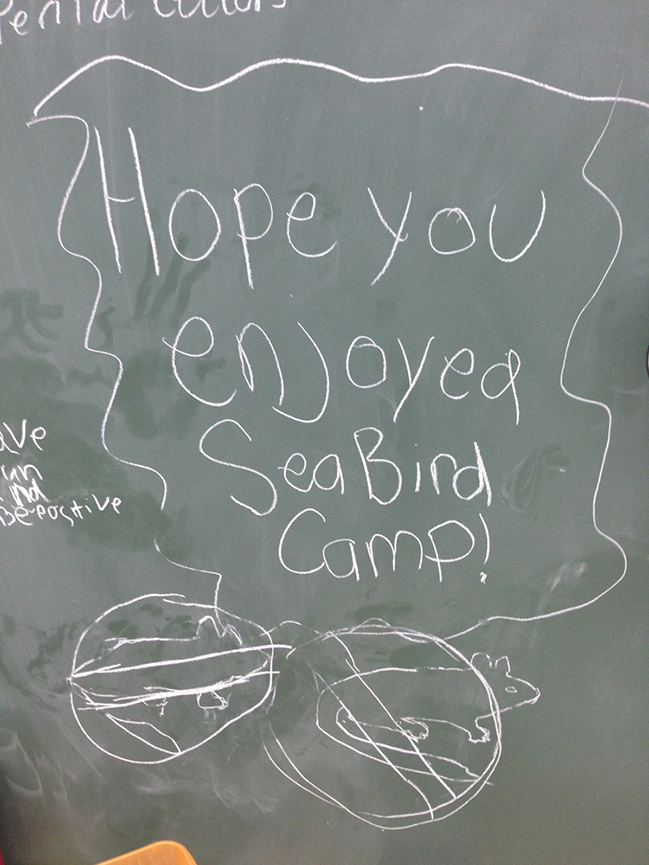
The last day of this year’s seabird camp! Our plays and goodbyes will happen tomorrow at 7:30 at the Rec Hall. We started the day by hearing [...]
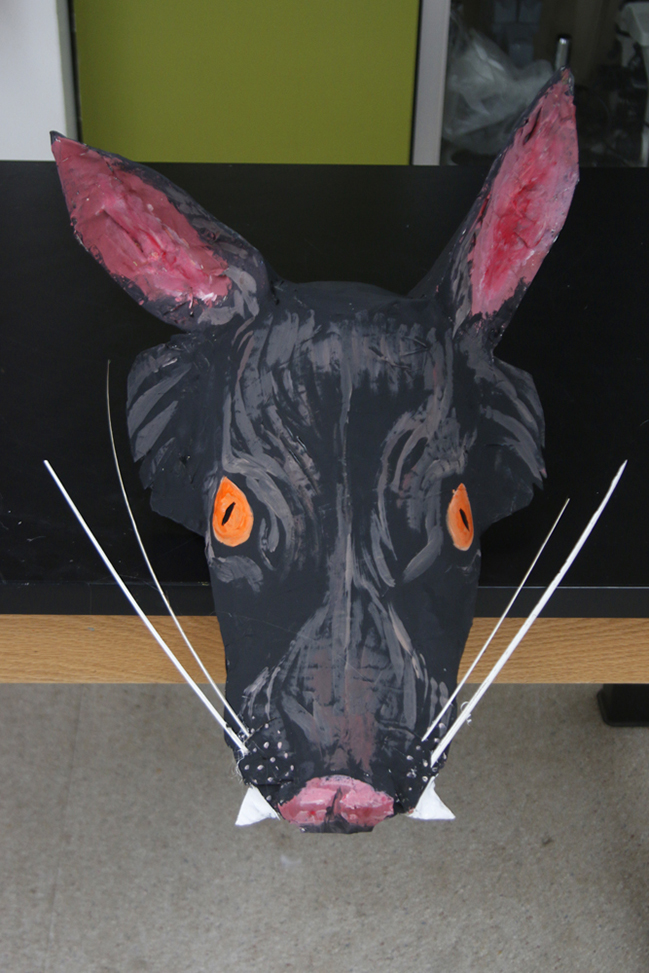
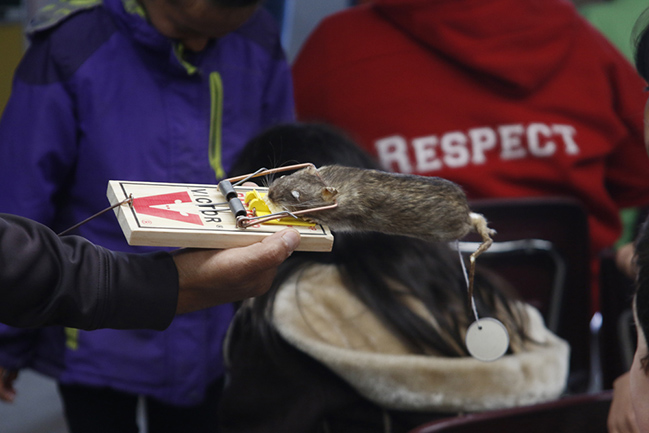
We started another big day at Seabird Camp with a presentation on “Seabird Capture: How and Why. “ Some of the students, including Chauncey and Ethan, were [...]
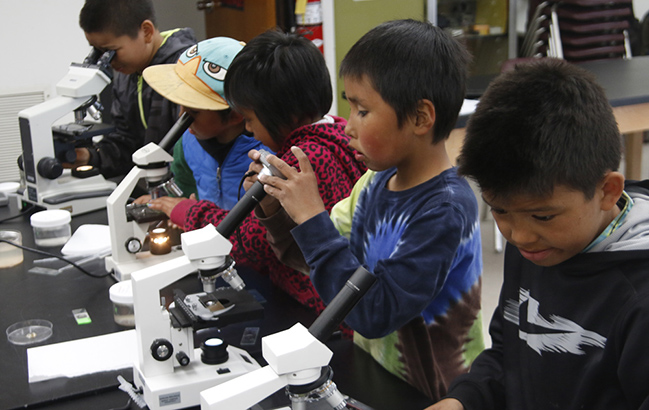
Day three of Seabird Camp started in the microscopic world as we looked at slides of zooplankton. Some kids had studied plankton the night before and found [...]
Thirty three kids packed the science room as Kendra started the day by talking about the U.S. Fish and Wildlife Service and what it does on the [...]
Seabird camp on St. Paul started with a bang! Teams of campers raced to collect all of the things that seabirds need to raise a chick. The [...]
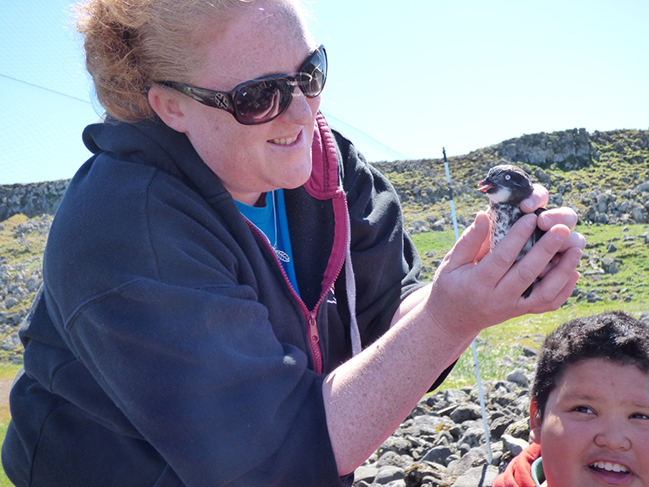
Veronica Padula and Misty Libby from the University of Alaska, Anchorage (UAA) are on St. Paul this summer studying contaminants in birds. Chauncey (one of our Seabird [...]
Count Down: Only two days until the start of Seabird Camp! Preparations have been rolling along here on St. Paul. We continued to build paper mache masks [...]
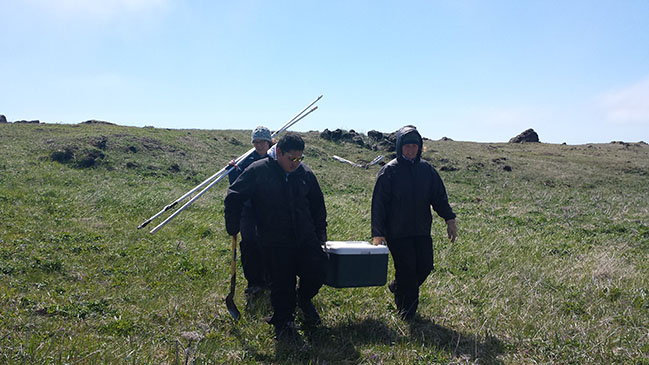
St. Paul Seabird Camp starts next week, and students and leaders are busy preparing. The two interns have started work, and Ram and students have been busy [...]

I had a great time talking with you all via Skype in April. Thanks for all your awesome questions, and to Ms. Kushin and Mr. Fay for [...]
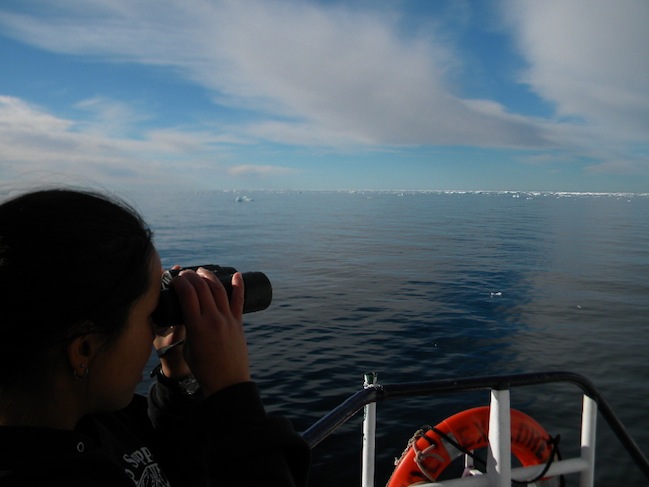
Catherine looking for seabirds near the ice, photo by Alex Andrews Why study seabirds at sea? Catherine Pham is a student at Hawai’i Pacific University. She [...]
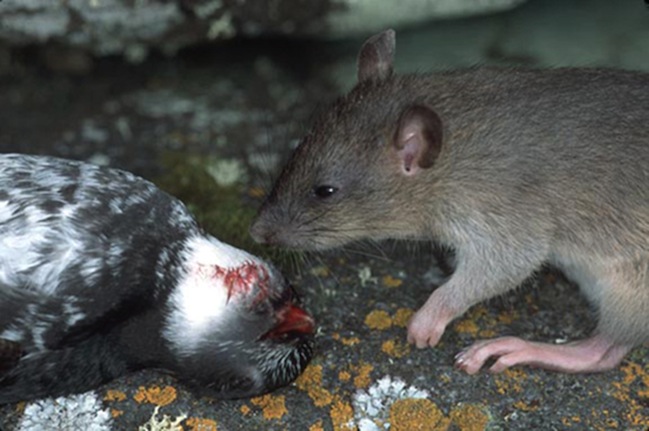
Least Auklet and Rat (above) © Ian Jones What is an invasive species? An introduced species, also called an alien or exotic species, is any species [...]
We hear that Miss. Kushin’s class is learning about migration this week: butterflies; mammals, birds… Don’t forget about Seabirds! Seabirds return to land to build nests, lay [...]
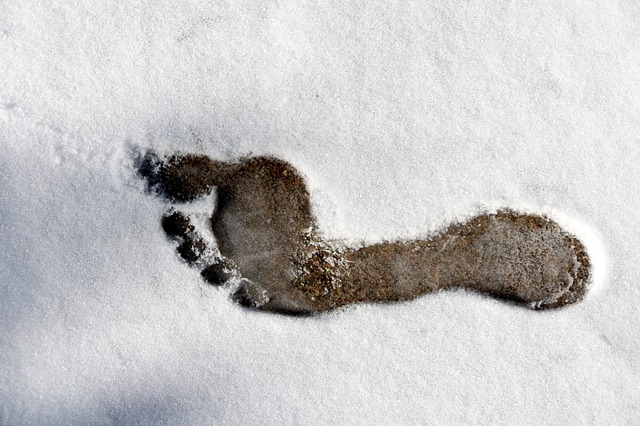
Miron, a student on St. Paul Island, asks, “Why don’t kittiwakes get frostbite on their feet if their legs and feet are in the cold water all [...]
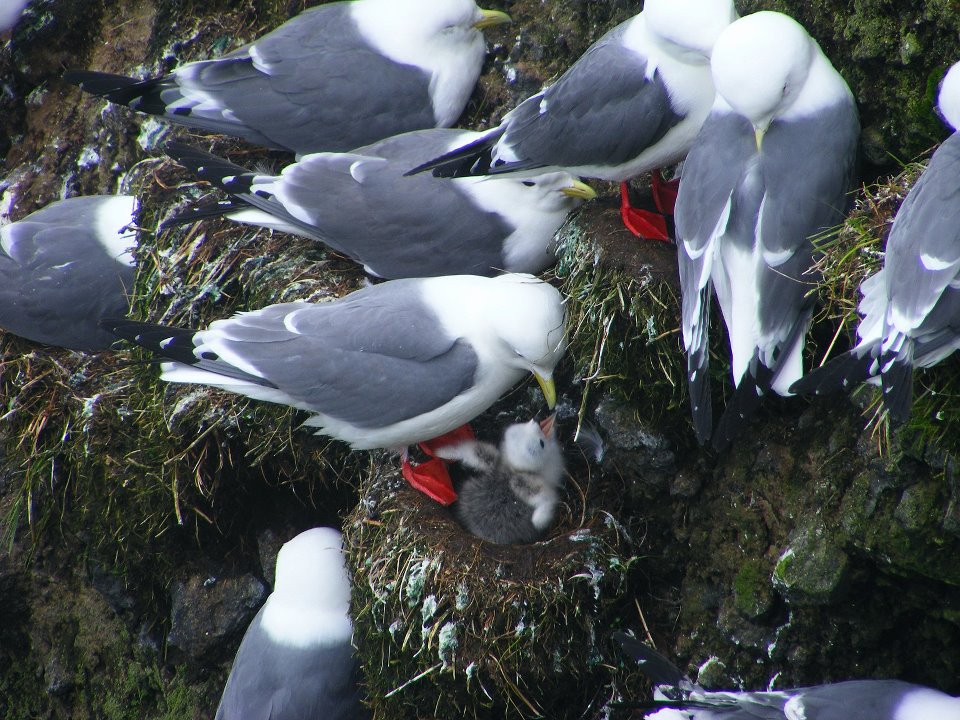
Red-legged kittiwake photo (above) by Caitlin Kroeger There are two species of kittiwake, the black-legged kittiwake (Rissa tridactyla) and the red-legged kittiwake (Rissa brevirostris). The red-legged kittiwake is [...]

Instead of working independently and alone, it is more and more common for a group of scientists to work together to figure out answers to a question [...]
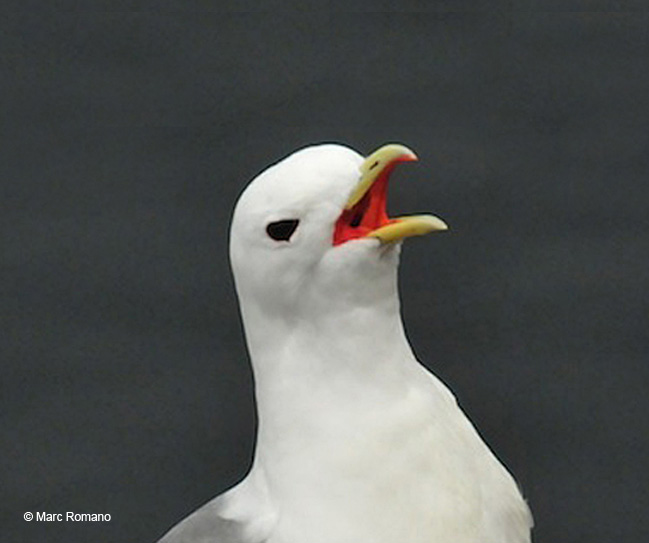
The Pribilof Islands are an important site for many seabird species, including 70% of the world’s red-legged kittiwake population. The Refuge’s annual seabird monitoring program provides essential information [...]
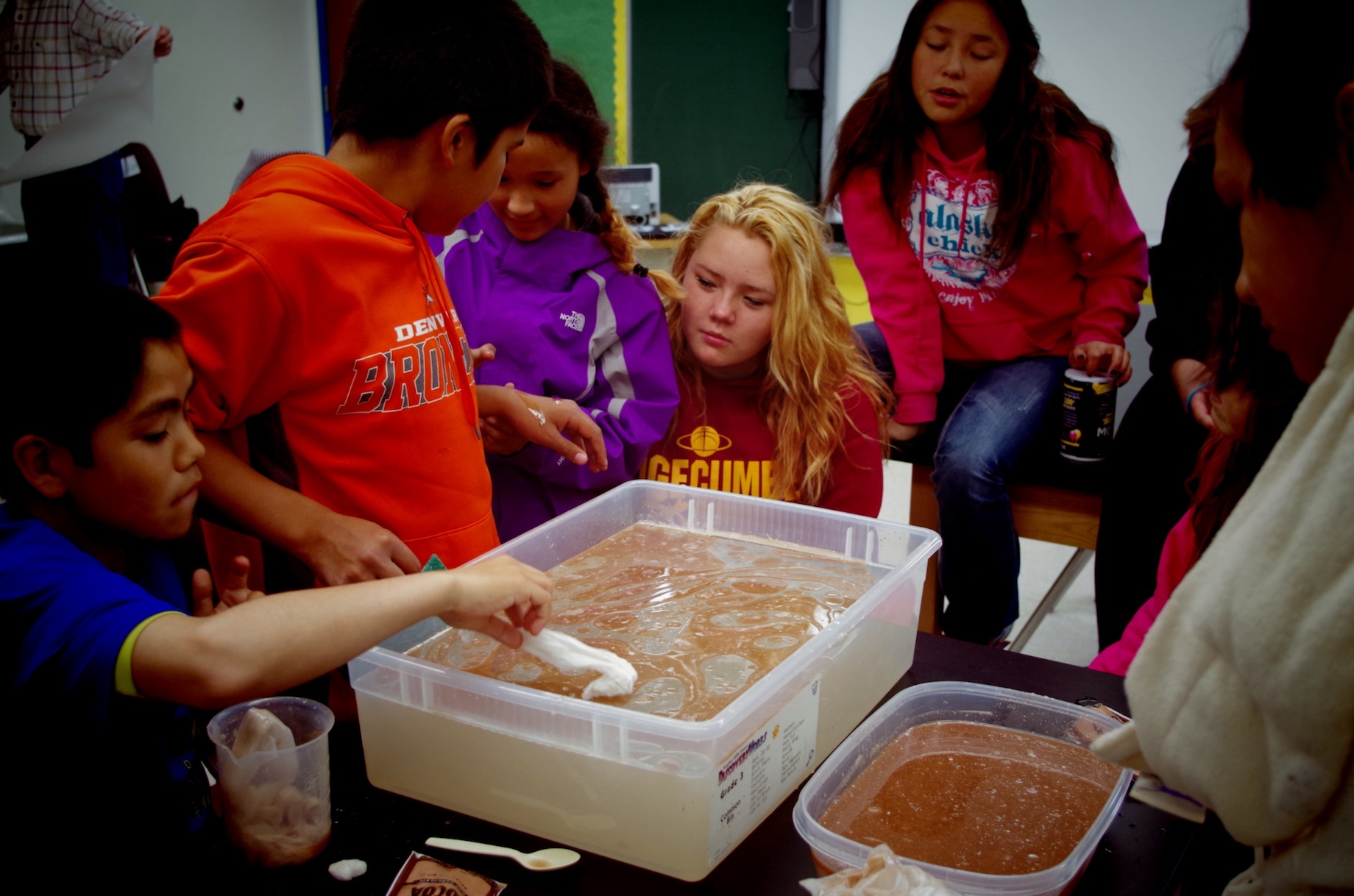
Veronica Padula (University of Alaska, Anchorage) recently traveled to St. Paul to teach students about seabirds and marine pollution during Bering Sea Days (above photo shows students learning [...]
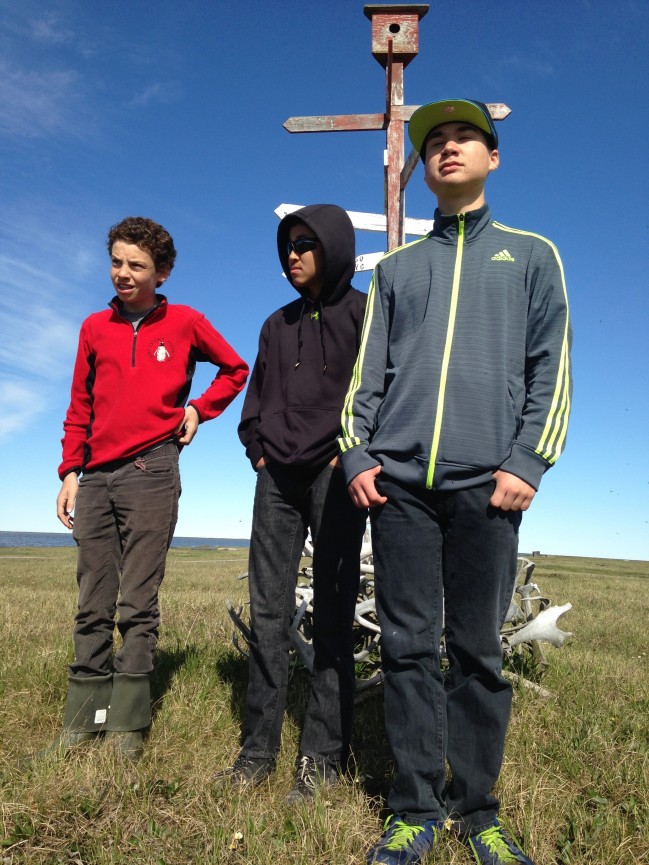
The Colville River Teen Video Crew (left to right): Sam Bernitz (Anchorage), Sam Tocktoo (Shishmaref), and Andrew Kennedy (Fairbanks). The trio wrapped up filming yellow-billed loons last week [...]
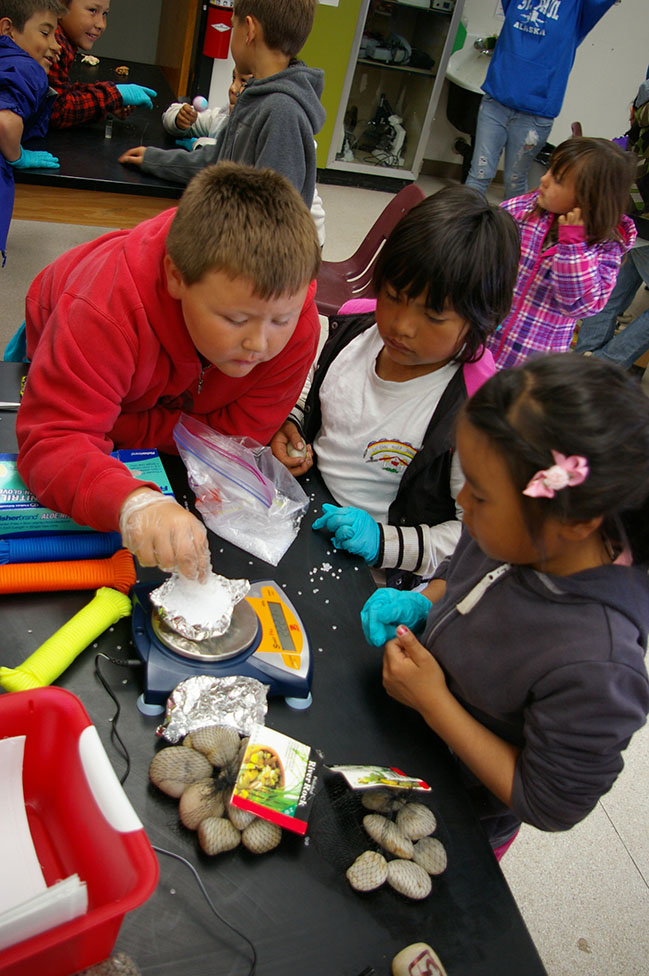
Students attending Seabird Camp set-up a plastic pellet experiment. Trevor Haynes explains more… University of Alaska Scientist Veronica Padula had a challenge for the seabird camp students [...]
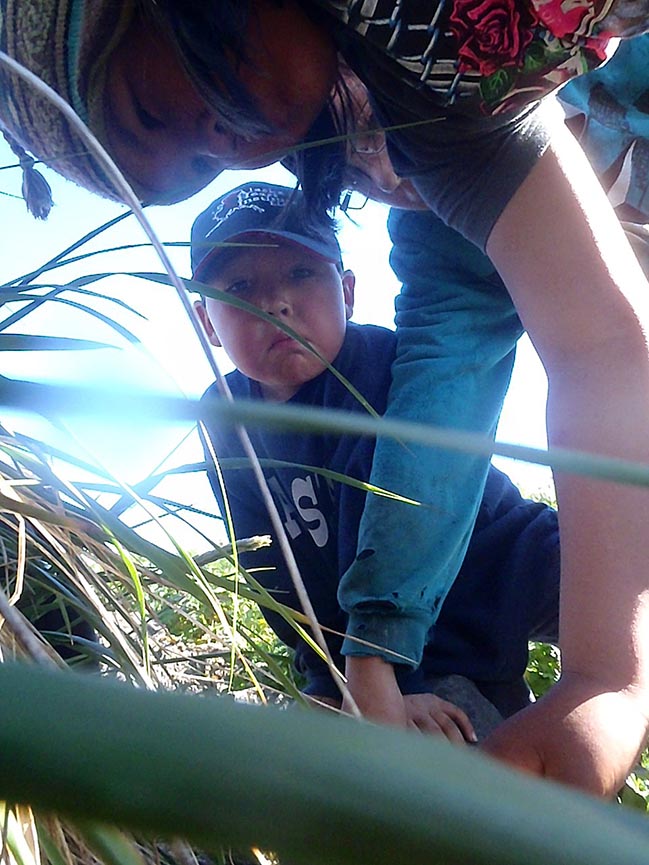
No Seabird Camp on St. George this year, but the kids have still been busy. The least auklet nest boxes that were made and installed during camp [...]
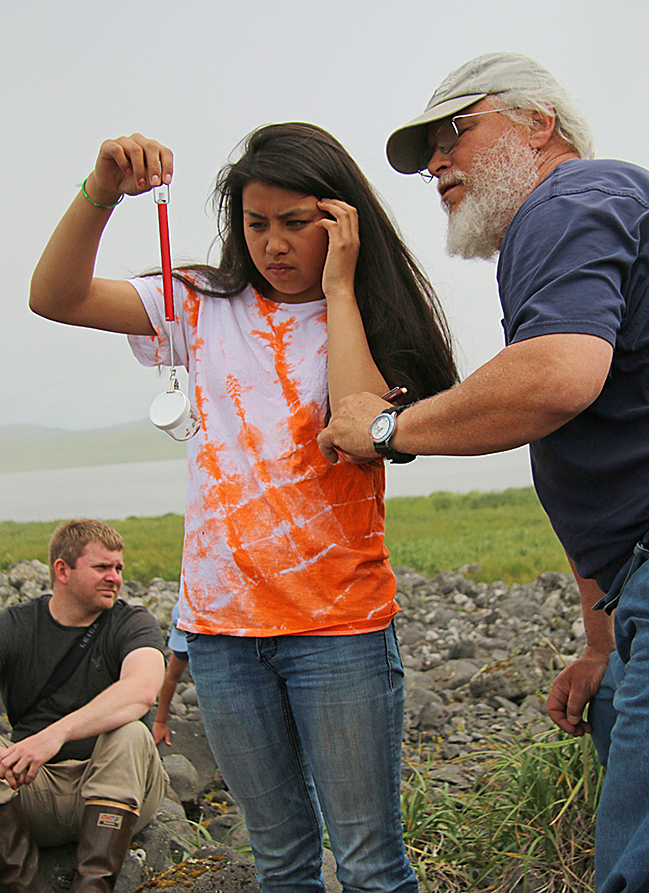
Work on St. Paul continued for a few days after Seabird Camp. Our intern, Diamond, joined USFWS crew to capture Least Auklets and collect the food they [...]
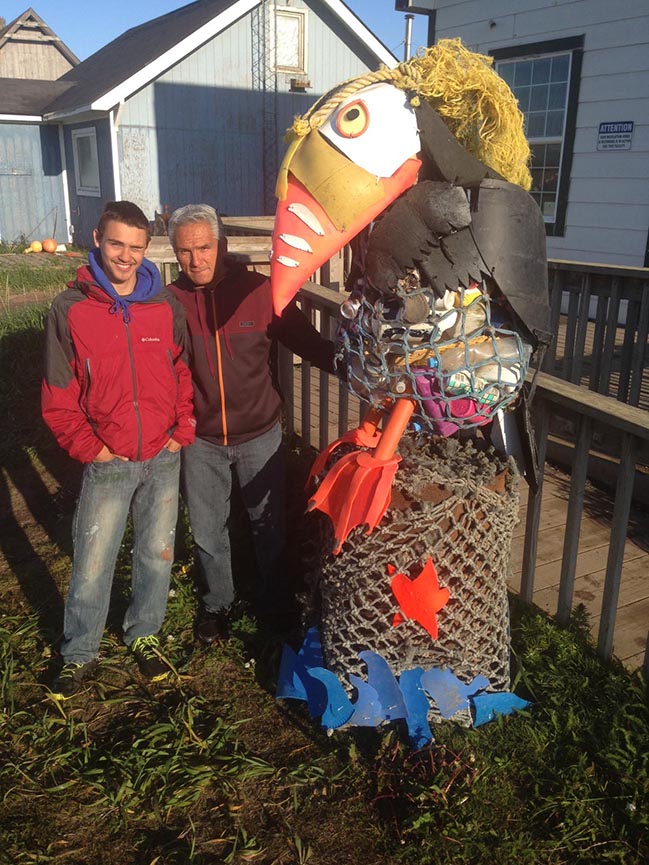
Garbie was safely installed in her new home in the lobby of the Tribal Office. Here she is getting her photo taken with Paul and Dallas from [...]
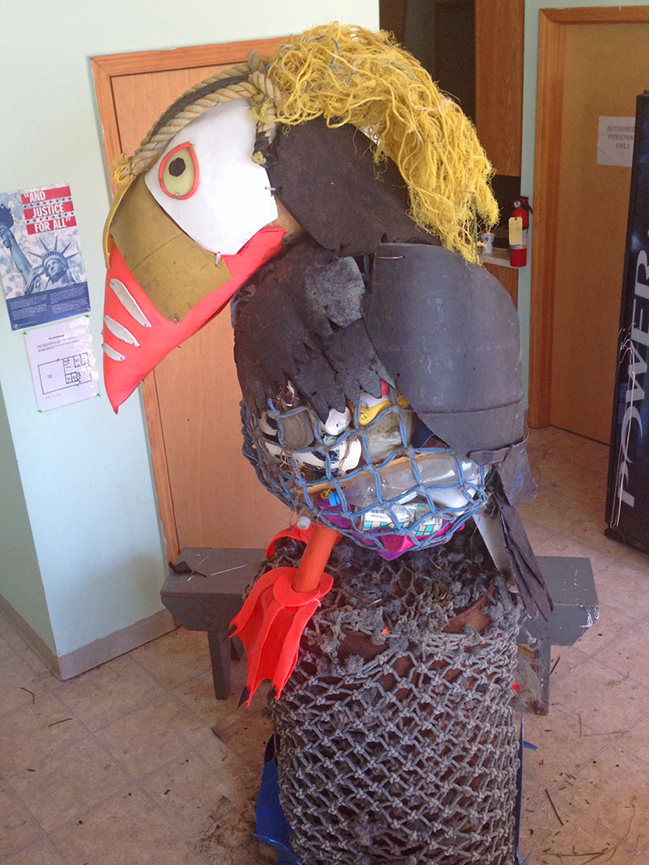
Garbie the trash bird was completed today and is looking for a (large) burrow to call home. She already has many friends! Here she is posing with [...]
Camp is officially over, but work continues on t-shirts and finishing the fishing line recycling containers (made from recycled Folger coffee cans).
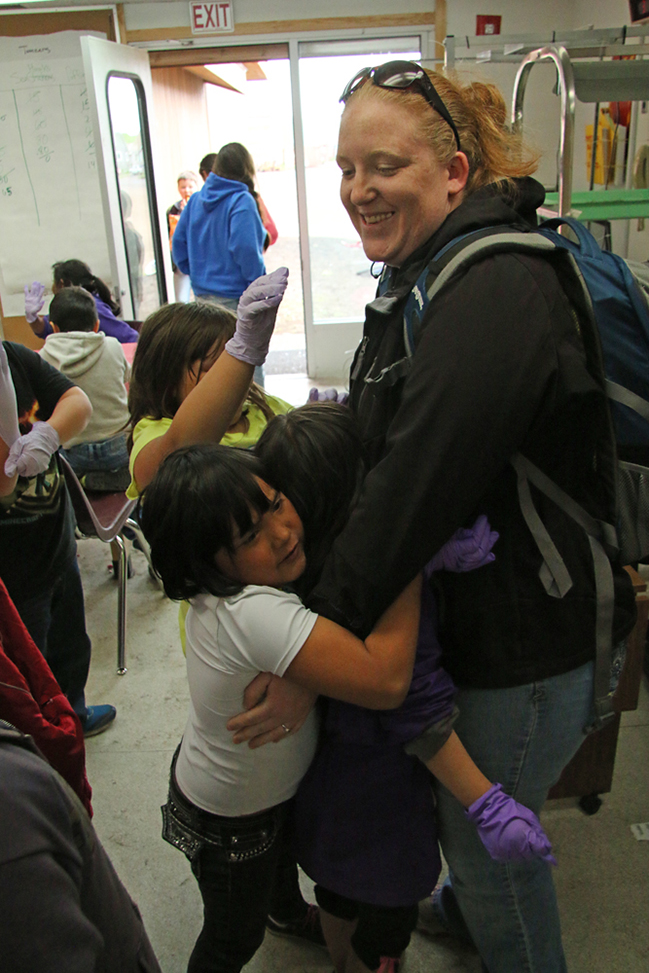
The final official day of Seabird Camp 2014. We started the day with a conference call with Sean Russell of the “Stow-It-Don’t –Throw-It” project. It was good [...]
Another busy day at Seabird Camp! The campers finished painting their bright blue or green murre eggs to start camp today. We will use them for games [...]
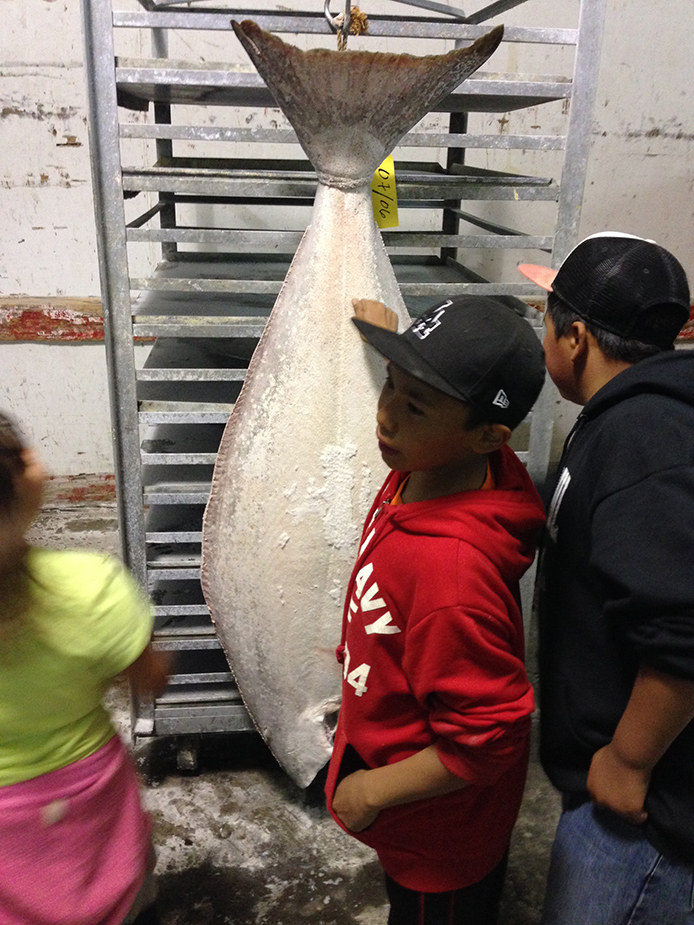
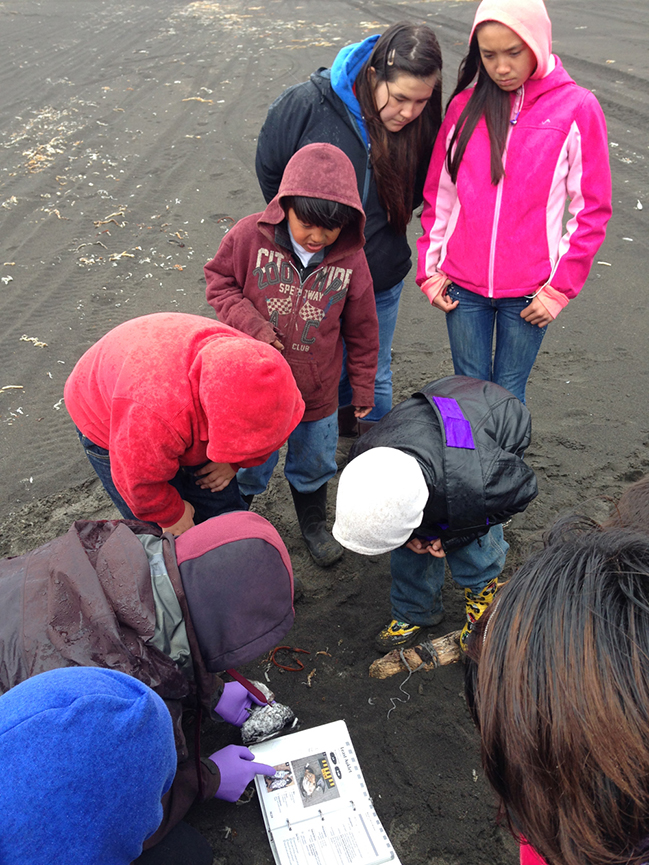
Here is a blog entry written by our student intern, Diamond, about her trip to the cliffs with Refuge biologists and the third day of Seabird Camp. [...]
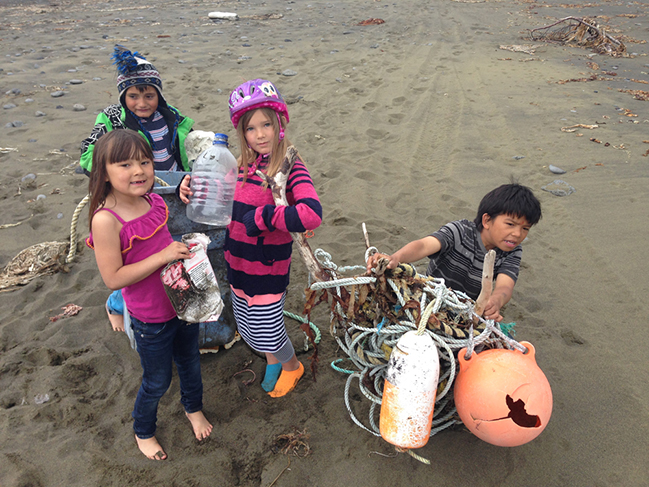
After doing some research, Campers were surprised to find out how long waste items take to biodegrade. We took in the “Stow-It-Don’t-Throw-It” program’s presentation on marine debris, [...]
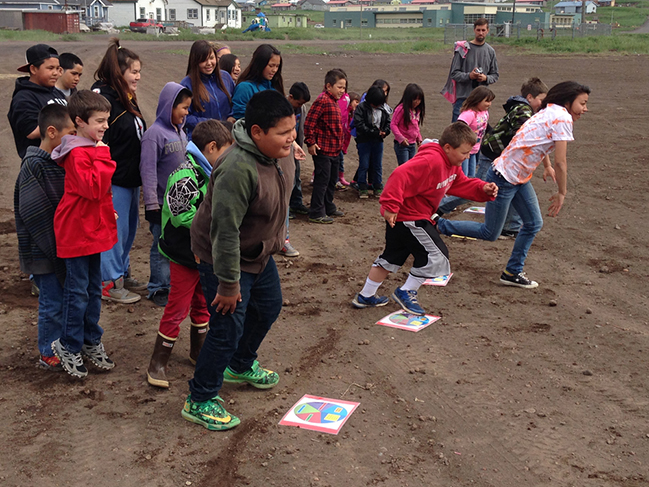
We had a very busy, active and messy first day in Seabird Camp! During “Bird Beak Buffet” students learned which “beaks” work best for which food items. [...]
Trevor Haynes put together this fun movie about the 4th July celebrations, with some great footage of the Seabird Float in action!
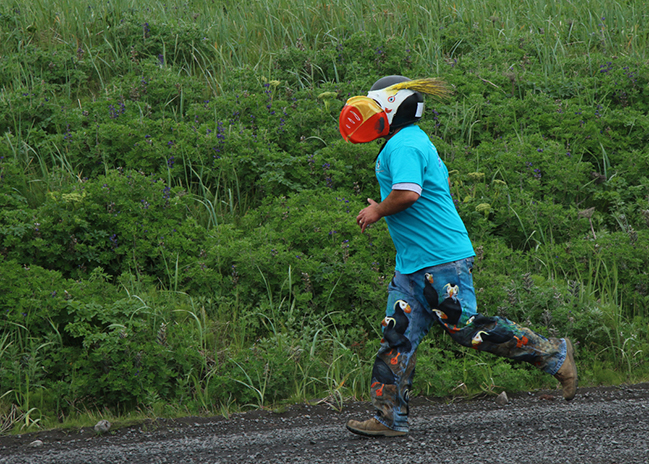
The St. Paul Mini-Marathon is an annual event put on by the City of St. Paul as part of the 4th of July celebration. It starts at [...]
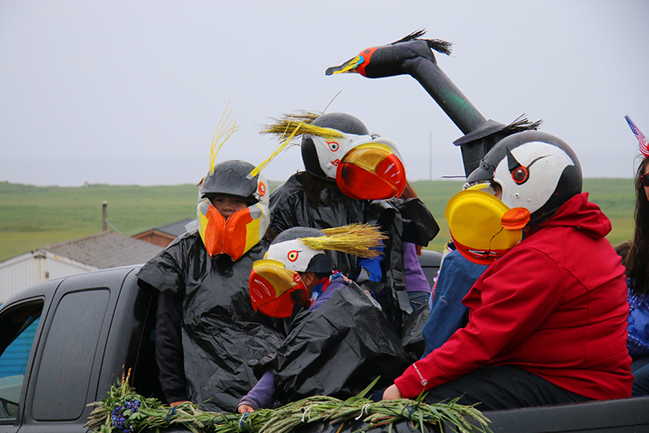
Wow, what a 4th of July! (Or June-July as they say here.) We started with a (rather wet) parade, and continued with games on the ball-field. Both [...]
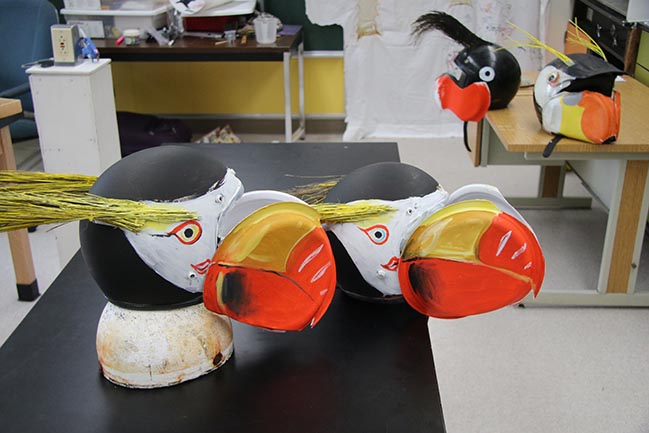
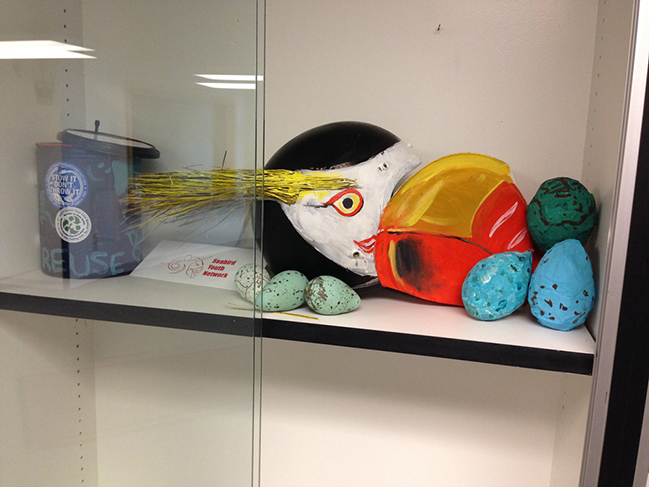
The Camp Team has been busy making super cool seabird masks for the 4th July parade! I wouldn't want to mess with these puffins!
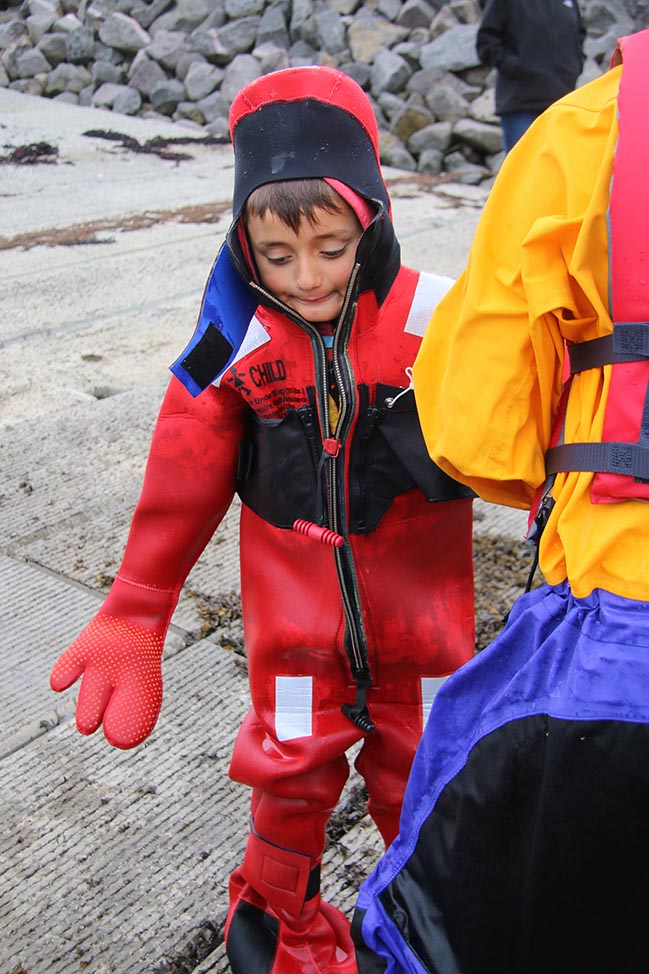
Ram and Trevor have made safely to St. Paul, and everyone is busy preparing for Seabird Camp. On their first day, they attended a "Kids Don't Float" [...]
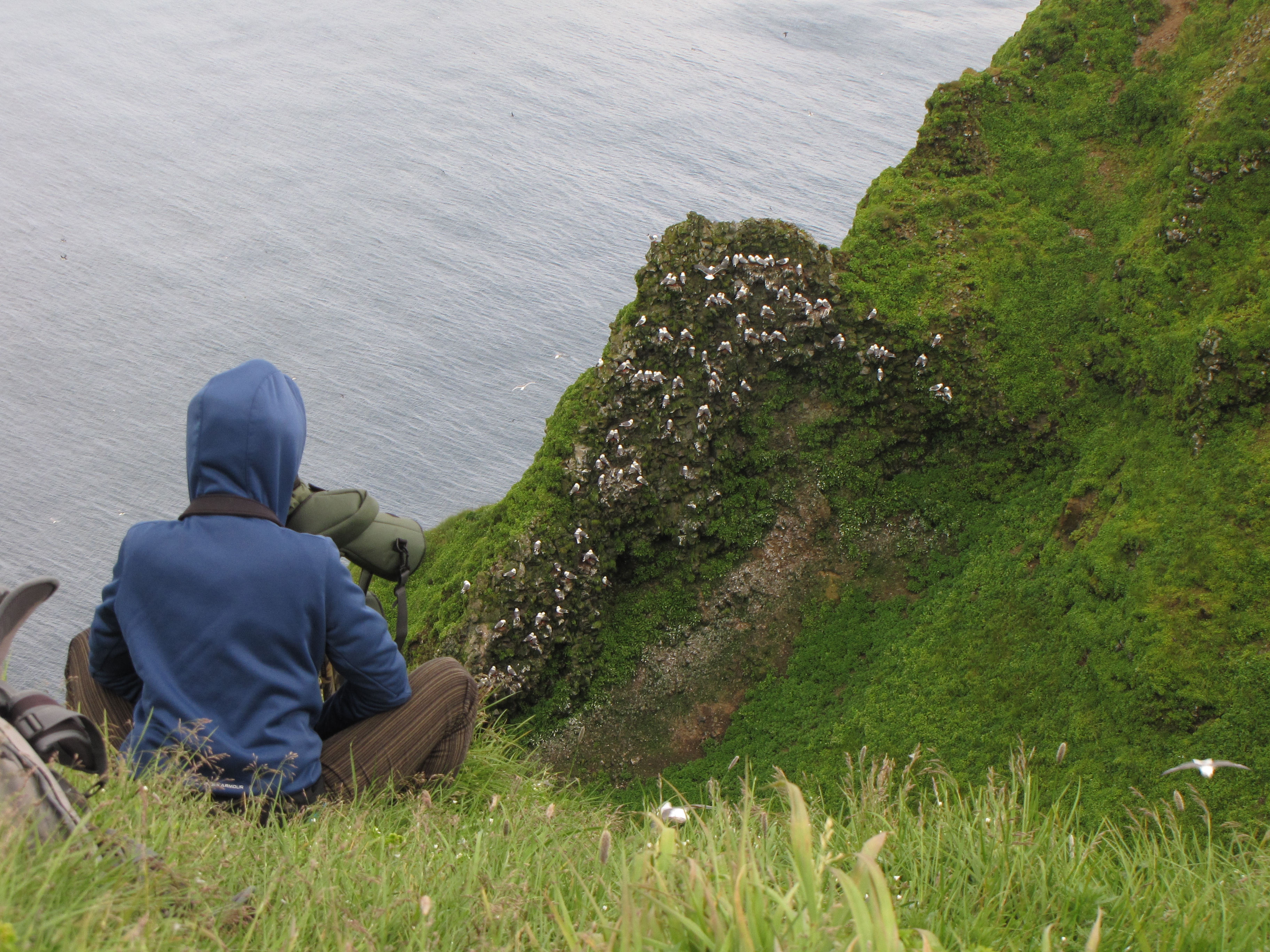
It’s a POPULATION COUNT YEAR on the Pribilof Islands. What is a “Population Count Year”? The Alaska Maritime National Wildlife Refuge (AMNWR) counts the number of seabirds [...]
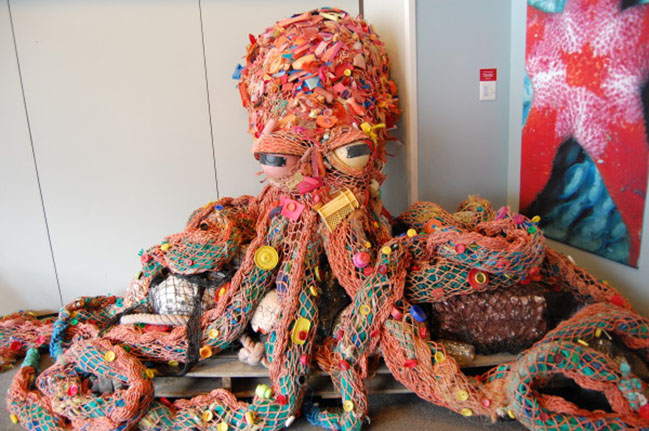
“Ophelia” octopus created out of marine debris by Kodiak High School students. One of the main focuses for the 2014 summer Seabird Camp on St. Paul Island is [...]
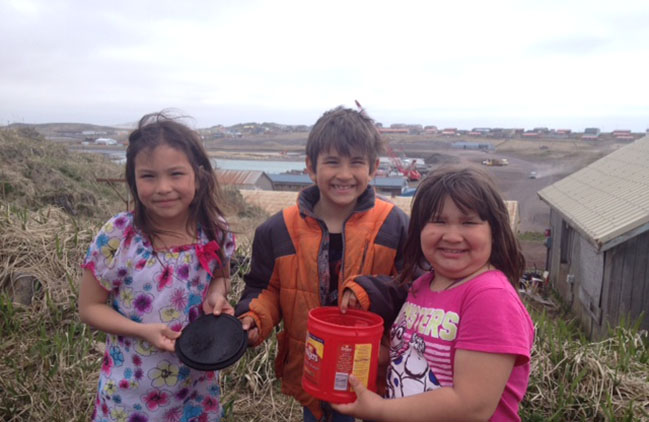
“Stow it-don’t throw it” is a youth debris and ocean conservation program dedicated to protect marine environments. As part of this cool project, youth make recycling bins [...]
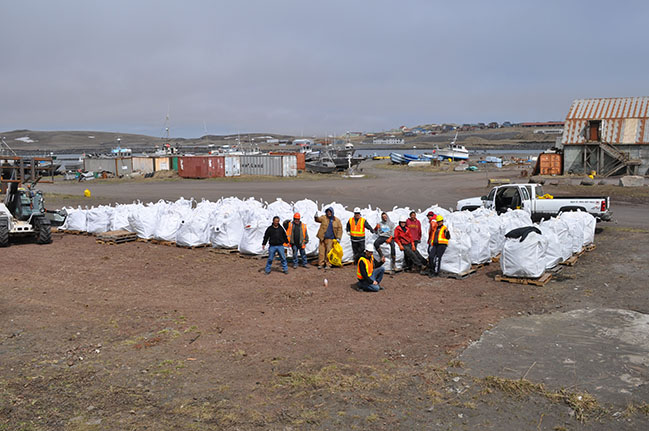
Is there marine debris on the Pribilof Islands? [separator type='transparent' color='' thickness='1' up='' down=''] YES! The main risks of marine debris on the Pribilof Islands are the [...]
We took blood samples from least auklets caught during Seabird Summer Camp last year. These blood samples were spun (using a centrifuge) to separate the plasma from [...]
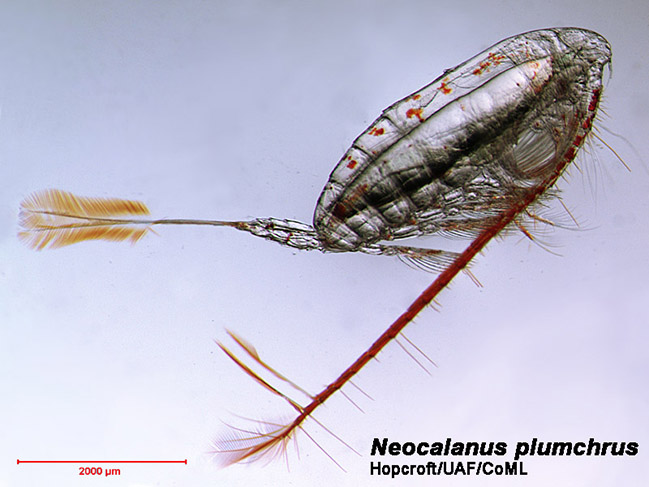
The Least Auklet diet sample analysis has been completed by Chris Stark, and we now have the results in the form of data. WHAT DO THE DATA [...]
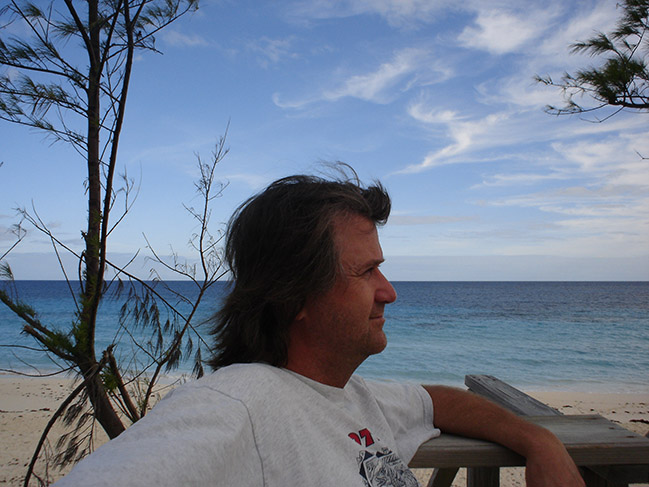
Remember? …. We collected Least Auklet chick diet samples http://www.seabirdyouth.org/what-do-auklets-eat/ for the Alaska Maritime National Wildlife. http://www.fws.gov/alaska/nwr/akmar/ during last summer’s Seabird Camps. QUICK RECAP: Why did we [...]
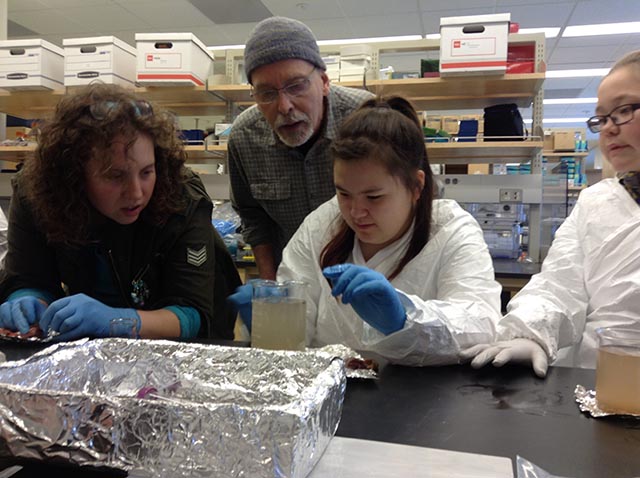
By Destiny Kushin and Carley Bourdukofsky We spent the morning visiting Veronica Padula and Doug Causey in their lab at the University of Alaska (UAA). At the lab, [...]
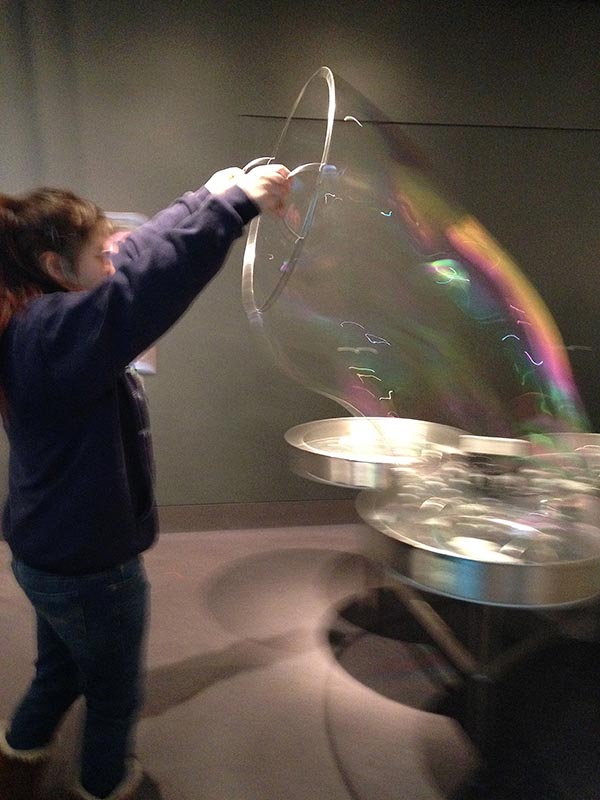
We spent the morning at the Anchorage museum imaginarium. Our favorite things were the bubble-makers and learning how hot air balloons work. After lunch we went back [...]
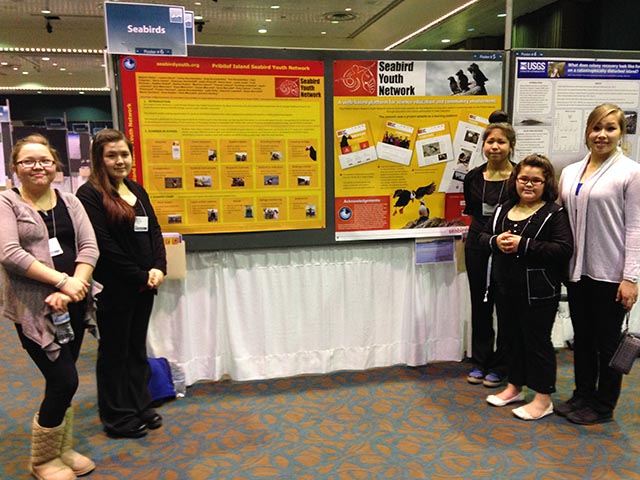
By Carley Bourdukofsky On January 21, 2014, we went to the Campbell Creek Science Center and learned about moose, foxes, chickadees, owls, beavers, etc. After learning about [...]