
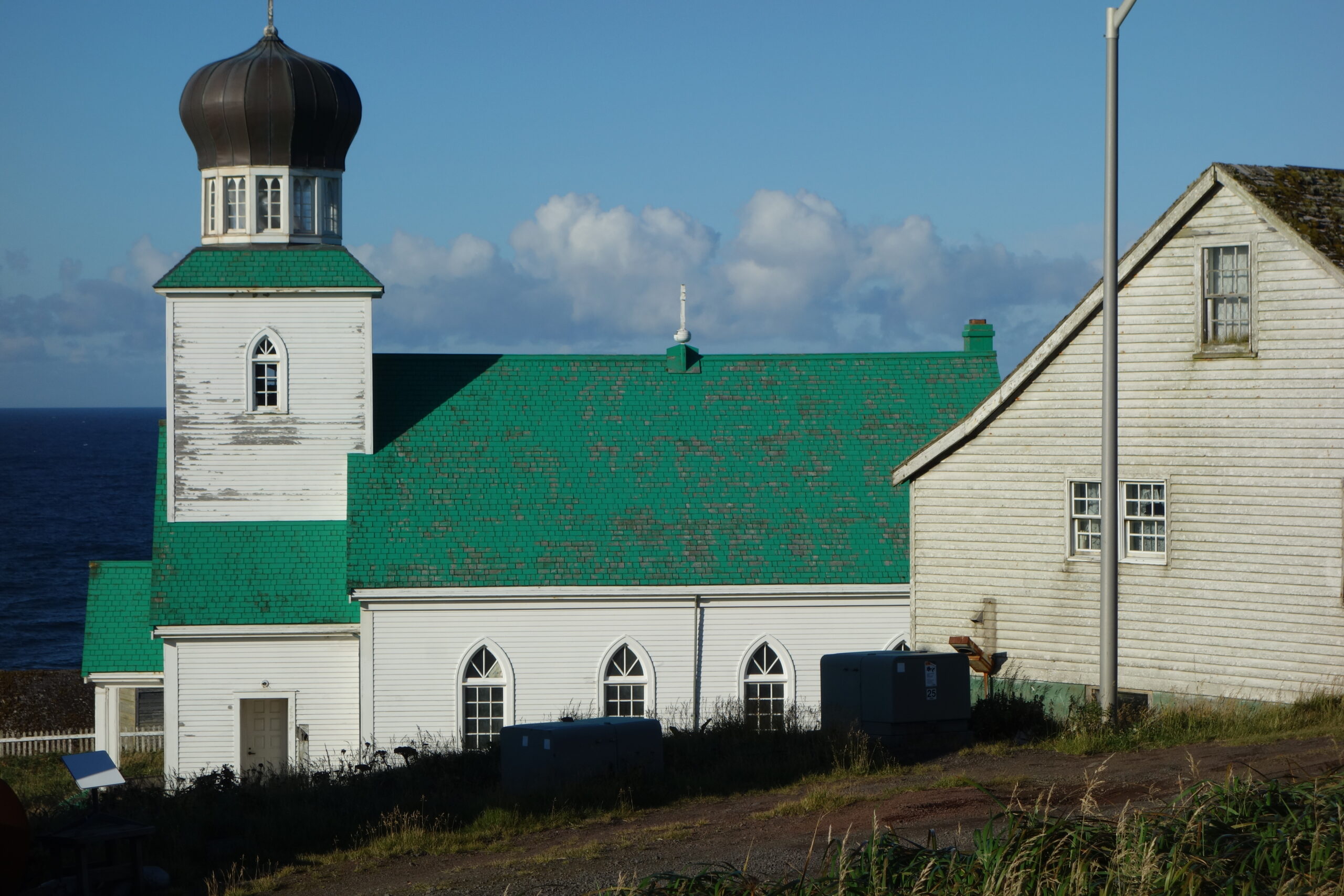
Although Bering Sea Days has been postponed on St. Paul Island, we decided to go ahead with activities on St. George Island. Miraculously, the weather allowed me to fly (and land) on our first attempt, and we arrived on time.
Day One
A full day with the kids. Morning was spent with the middle-schoolers learning about the importance of the ocean. I had no idea that phytoplankton produce more oxygen that all the trees on land! We then talked about how Alaska Maritime National Wildlife Refuge (AMNWR) biologists visit 8 seabird colonies every year to collect long-term information on how well the different seabird species are doing during the breeding season.
The average number of chicks that are successfully fledged from a nest site is called Productivity. These data are collected over many years, and can provide important insight into changes in the marine environment.
The AMNWR annually produces a Seabird Report Card that shows the productivity of different seabird species at the different colonies in a simple way. Please see: https://seabirdyouth.org/2024-seabird-report-card/
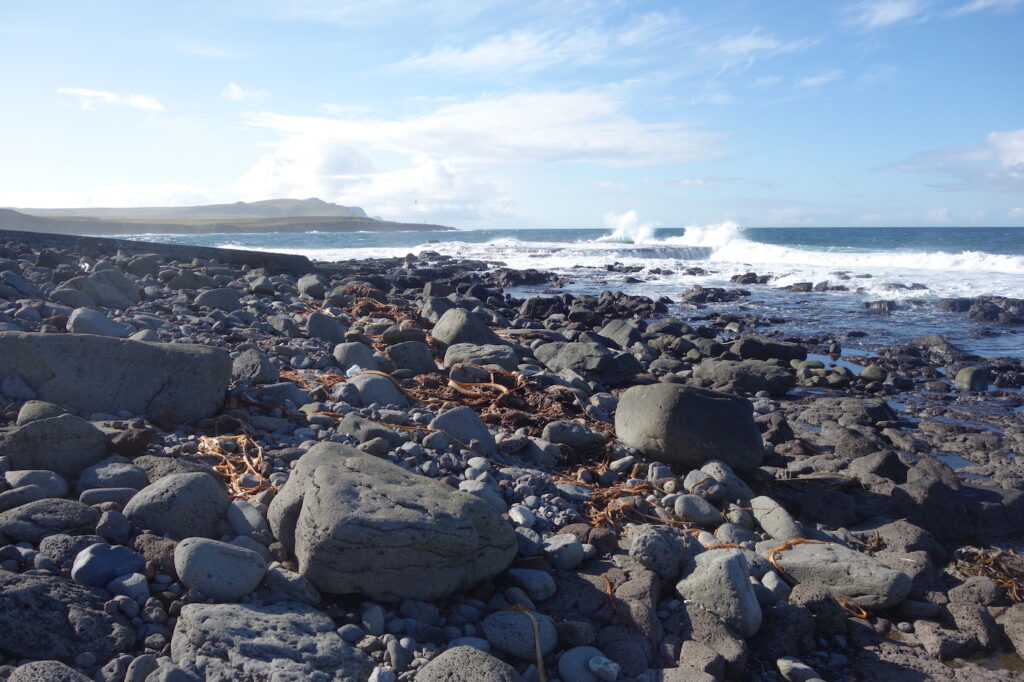
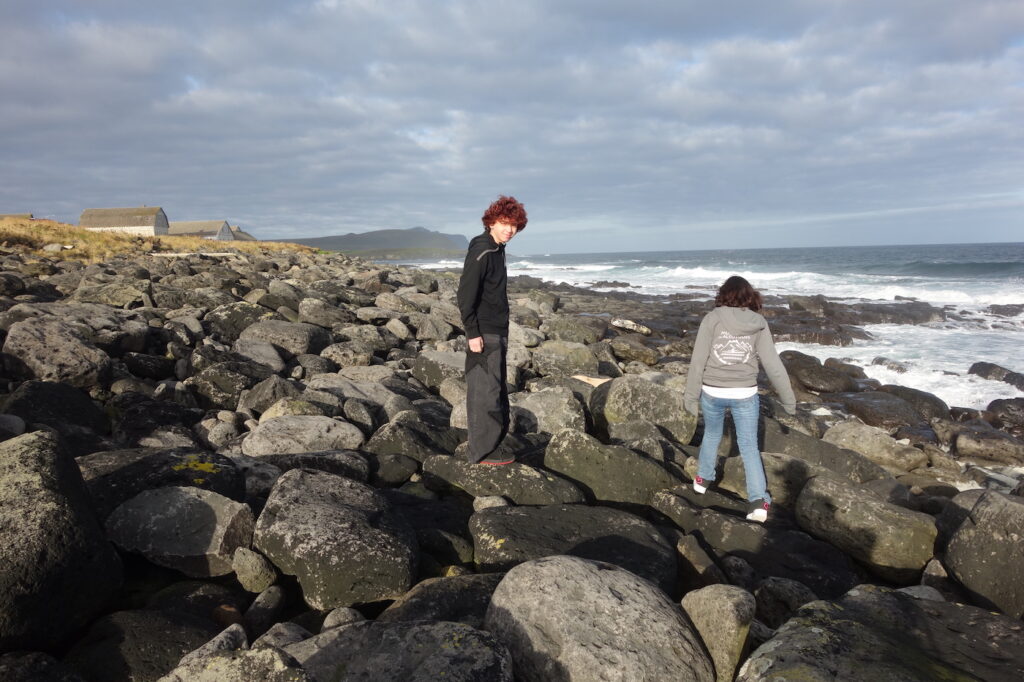
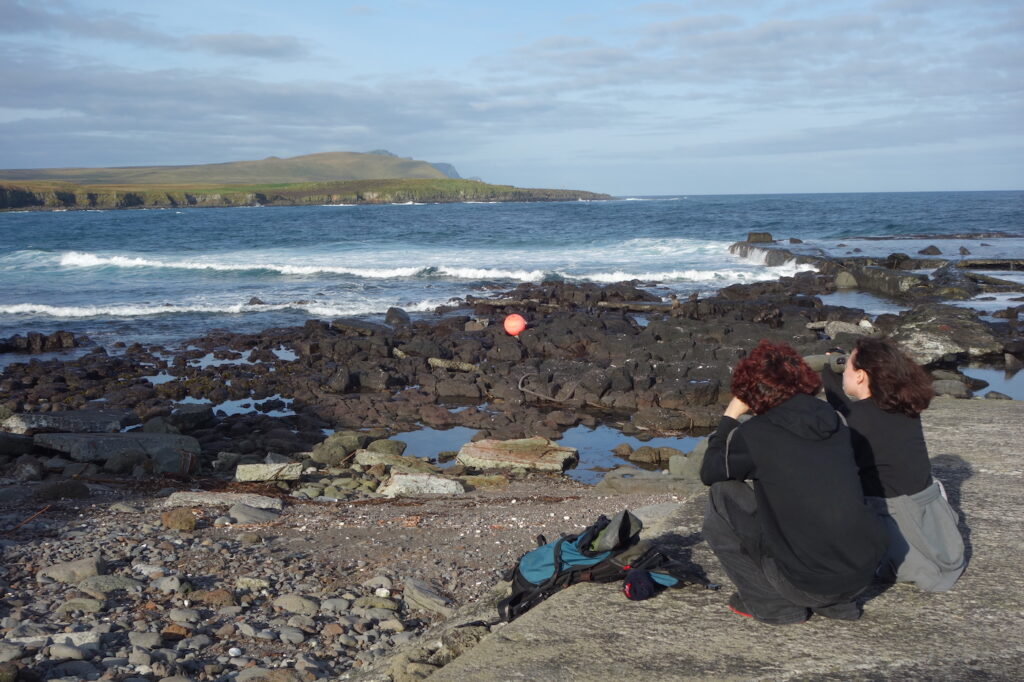
This week, we are going to work on a community poster that highlights the annual seabird report card results for St. George and St. Paul Islands. Chipper and Jillian worked on their renditions of happy and sad egg-faces to indicate the productivity of different seabird species, and then we went on a field trip to find some actual seabirds. We got distracted watching seal pups play in a shallow protected pool and rock sandpipers at the edge of the surf, but we enjoyed the red-legged kittiwakes on the cliffs and even spotted a couple of sheltering horned puffins.
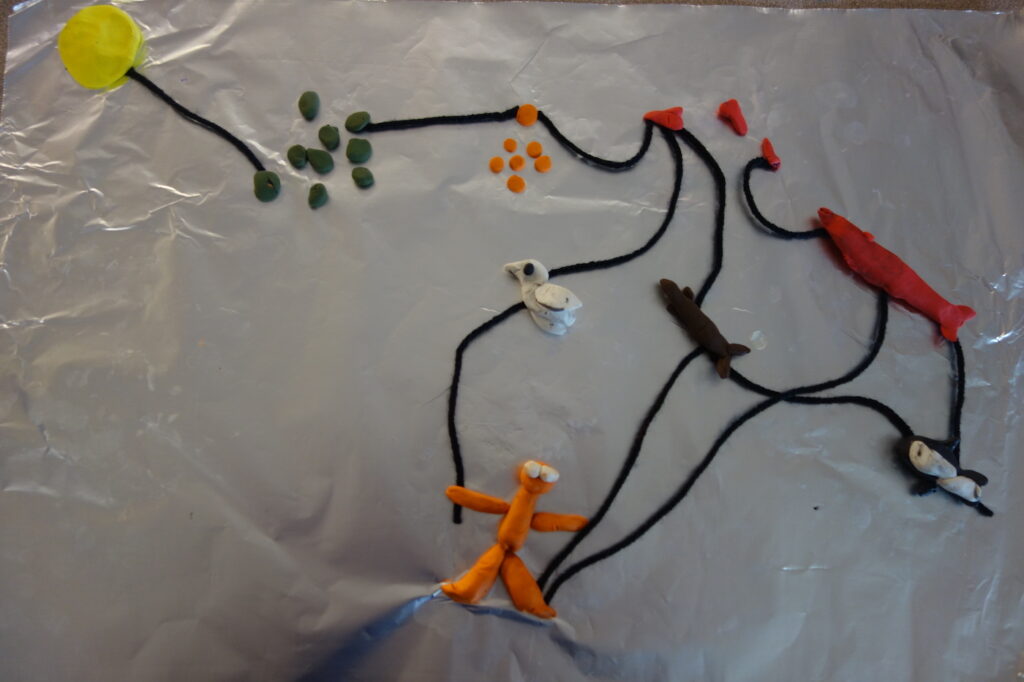
This afternoon, Maurice joined us to help the elementary kids learn about food webs. After some good brainstorming, we made a modeling-clay St. George Island marine food web. It was interesting to see how many species feed on small fish, and how phytoplankton form the important base for these marine food webs. Costin explained what would happen to the fur seals if the fish disappeared.
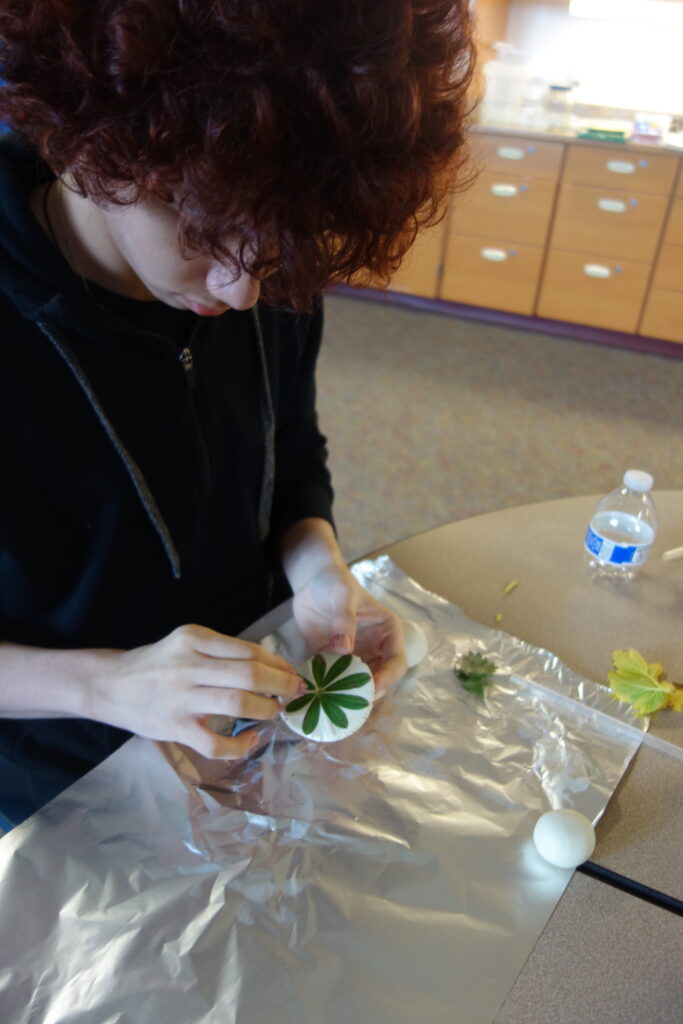
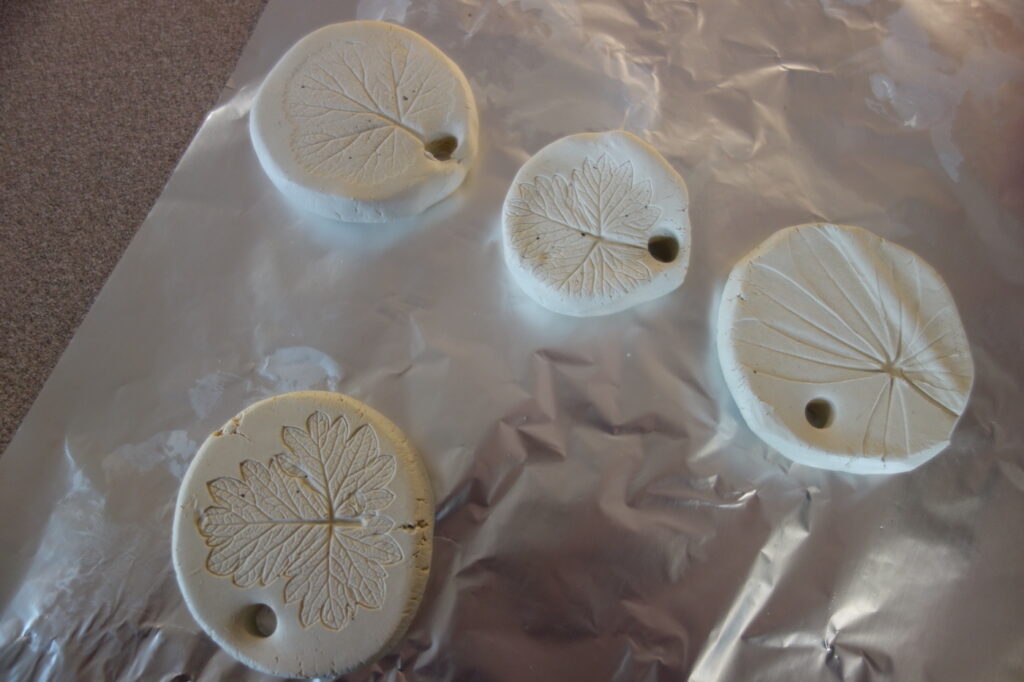
After learning about producers (organisms that create their own food), we went on a quest to find different plants (plants use energy from the sun to make food). We collected leaves and seed heads of all sorts of different shapes and sizes, and pressed them to made clay leaf ornaments. Emma and I did a similar activity after school, and the leaf designs came out beautifully.
It was a full, but rich day.